How TMJ Affects Sleep and What You Can Do About It
Sleep shapes every part of our lives—our energy, focus, mood, and overall health. Yet some people struggle with restless nights without fully understanding the cause. One factor that often goes unnoticed is jaw alignment. How your teeth and jaws fit together can influence how open your airway stays while you sleep, affecting the quality of rest you get each night.
Even subtle misalignments can create tension, disrupt breathing, and trigger a chain reaction that impacts energy, concentration, and long-term health. Addressing jaw alignment can be a game-changer, helping restore quality sleep and improving overall well-being.
Before we take a closer look at how you can sleep with TMJ problems, here are some key takeaways:
Jaw misalignment isn’t just a cosmetic concern. It can limit airflow, disrupt sleep, and contribute to TMJ pain.
Addressing bite and jaw alignment through orthodontics or oral appliances can improve airway function and quality of sleep.
Combining structural treatment with proper sleep positioning, exercises, and lifestyle adjustments leads to lasting relief and overall wellness.
TMJ and Sleep: Understanding the Connection
The Temporomandibular Joint (TMJ) connects your lower jaw to the side of your head. The position of the TMJ is related directly to where the teeth bite together. The resting position of the tongue is also determined by the position of the jaw.
The lower jaw, or mandible, plays a big role in keeping your airway open. When your bite is misaligned, the jaw sits incorrectly, which can crowd the airway. Even small shifts in the jaw’s position can make it harder to breathe.
Also known as malocclusions, misaligned bites are far from rare. In fact, millions of Filipinos suffer from some form of jaw disorder, caused by genetics, habits like thumb sucking, past injuries, or a mix of these factors. While some misalignments are mild, they can compromise your overall health.
Can TMJ Dysfunctions Cause Sleep Problems?
When a person has a misaligned bite, it can also place pressure on the TMJ and its associated muscles. Frequent headaches or pain around the lower jaw and the side of the head are often the first signs that something is wrong with the TMJ. In this way, TMJ problems are related to many cases of sleep disruption.
When the jaw restricts the airway, the body goes into a constant cycle of interrupted rest. Reduced airflow means less oxygen reaches the brain, triggering signals that release adrenaline to restart breathing. This cycle repeats throughout the night, leaving the body exhausted by morning.
One of the most common sleep disruptions tied to jaw position is Obstructive Sleep Apnea (OSA). In OSA, throat muscles collapse, blocking airflow. A misaligned jaw can make this worse, particularly when the lower jaw is set too far back. If the tongue is positioned too far back, it can slide into the airway during sleep, further restricting airflow.
What does sleep apnea do to your body? The effects of this nightly struggle can be significant:
Daytime fatigue and cognitive issues: Poor sleep leads to irritability, difficulty concentrating, and persistent tiredness. Waking up with a dry mouth, headaches, or low energy is often linked to jaw-related sleep disruptions.
Long-term health risks: Repeated oxygen deprivation can increase the risk of high blood pressure, cardiovascular issues, headaches, and even impact weight management.
It’s clear: jaw misalignment doesn’t just affect your bite. It affects your body’s ability to rest, recover, and function efficiently. Correcting jaw alignment at the root can relieve TMJ stress, improve breathing, and support better sleep, creating a lasting impact rather than just managing symptoms.
Orthodontic Solutions That Support Better Sleep
Treatments that focus on repositioning the jaw and optimizing the bite can significantly reduce symptoms of OSA and other TMJ-related discomfort.
Some effective solutions include:
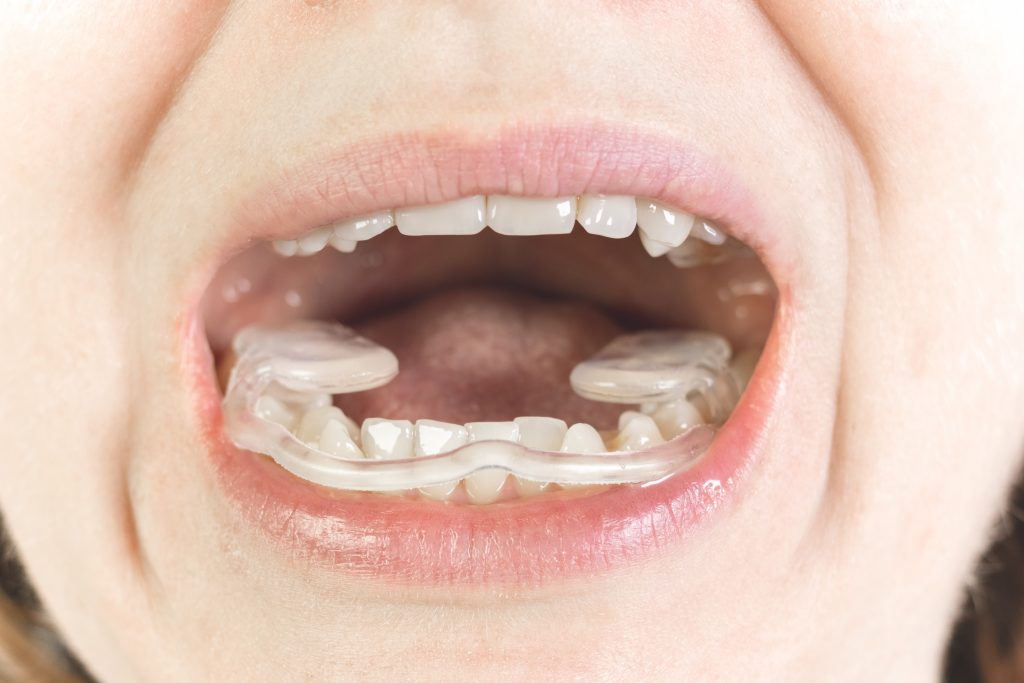
Mandibular Advancement Devices (MADs): These are custom devices that move the lower jaw slightly forward, preventing the jaw, tongue, and soft palate from obstructing the airway. Often used in mild to moderate sleep apnea, they are non-invasive and designed for comfort.
If you’re wondering where you can buy an oral appliance for sleep apnea, then a Mandibular Advancement Device might be just what you need. Some devices, like ready-made or “boil and bite” versions, can be purchased over the counter. However, it’s highly recommended to avail of custom devices through a dental professional, since sleep apnea is a medical condition that needs to be treated individually.
Palatal Expanders: When the upper jaw is too narrow, airway space can be limited. Expansion devices gradually widen the upper jaw, improving airflow and supporting better breathing, especially in children and teens.
Braces and Aligners: Orthodontic treatments that correct malocclusion can help realign the jaw and promote airway openness over time. In particular, Invisalign offers discreet treatment while improving both bite and oral function.
Oral Appliance Therapy: Customized appliances for both TMJ and sleep apnea patients can help reposition the jaw and tongue, reducing strain while keeping the airway open.
Addressing jaw misalignment early often reduces the need for more invasive treatments like CPAP machines or surgery. Plus, these solutions can be tailored to each patient, making them both effective and comfortable.
Your Sleep Position Matters, Too
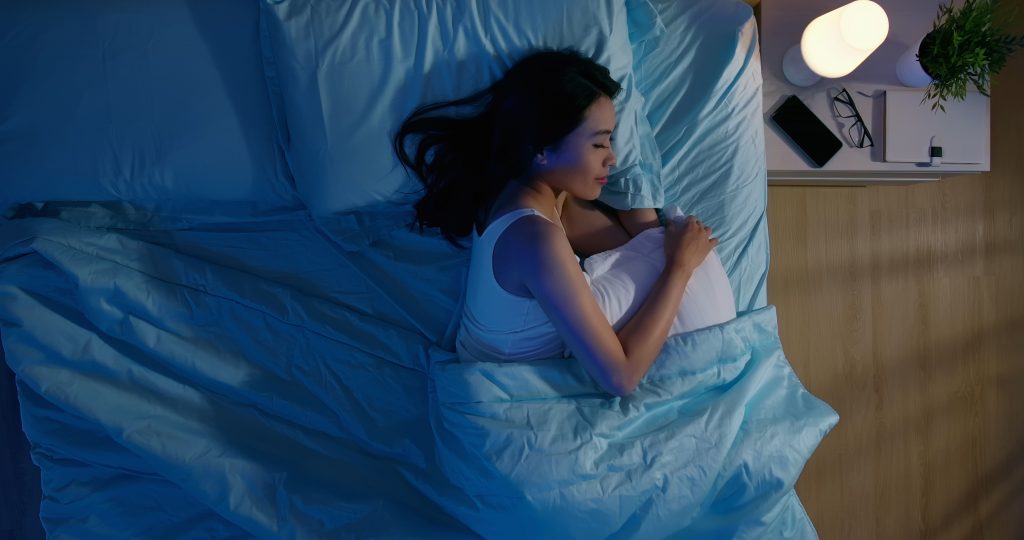
Jaw alignment is important for sleep, but how you sleep can make a difference as well. Certain positions, particularly lying flat on the back, can worsen TMJ tension and airway restriction.
Sleeping on one’s side is generally recommended for individuals with TMJ problems or sleep apnea. This position:
Reduces pressure on the TMJ and surrounding muscles
Supports an open airway, minimizing snoring and apnea episodes
Promotes more consistent, restful sleep
Small adjustments, like using supportive pillows or propping the upper body slightly, can complement structural treatment and make a noticeable difference in sleep quality.
Combining Approaches for Maximum Benefit
Fixing jaw alignment is most effective when paired with a holistic approach. Beyond orthodontics or appliances, comprehensive care can include:
Jaw exercises and physical therapy to strengthen and relax muscles
Lifestyle changes like weight management and stress reduction
Sleep hygiene improvements, such as consistent bedtime routines and supportive bedding
Together, these strategies improve sleep, reduce TMJ discomfort, and enhance overall well-being. When jaw alignment and sleep are optimized, the benefits of TMJ treatments extend beyond sleep—they touch mood, energy, and long-term health.
Frequently Asked Questions on TMJ and Sleep
Can adults still benefit from orthodontic treatments for sleep issues?
Absolutely. Adults can use appliances, aligners, or braces to adjust jaw positioning and improve airway function. Even minor changes in bite can make a significant difference in sleep quality.
Are jaw alignment treatments painful?
Most orthodontic and appliance-based treatments are non-invasive and designed for comfort. Some temporary soreness is normal, but adjustments are gradual and closely monitored by your dentist or orthodontist.
How long do TMJ sleeping treatments have to be to see improvements?
Results vary depending on the severity of the misalignment and the treatment method. Many patients notice better sleep quality within a few weeks to months. Consistency and following professional guidance are key.
Can sleep position alone resolve sleep apnea?
Changing sleep position helps, but usually isn’t enough on its own for moderate to severe sleep apnea. Structural alignment of the jaw and airway is often necessary to see lasting improvements.
Will these treatments also help with snoring?
Yes. Proper jaw alignment and oral appliances can reduce airway obstruction, often leading to reduced snoring and a quieter, more restful night for both patients and their partners.
Your Best Sleep Starts With a Healthy Bite
Jaw alignment plays a bigger role in sleep and overall well-being than most people realize. Misaligned bites can restrict airflow, trigger TMJ discomfort, and disrupt sleep, setting off a ripple effect on energy, mood, and long-term health.
The good news is that solutions exist. Early evaluation and personalized treatment from a skilled professional can help restore proper alignment, open the airway, and support restful sleep. Taking action now can prevent more serious complications later and improve daily life in ways that go far beyond your smile.
Unlocking Better Sleep With MetroDental
Better sleep starts with understanding how your bite and jaw alignment affect your rest. At MetroDental, we’ve seen how even small adjustments can make a big difference, helping patients breathe easier, sleep more deeply, and wake up feeling truly refreshed.
An early professional assessment can reveal TMJ sleeping issues before they cause snoring or restless nights. When these concerns are addressed early, patients often notice improvements not just in sleep quality, but in focus, energy, and overall well-being.
Our goal is to help you rest easier through expert care that prioritizes comfort, function, and long-term results. With personalized treatment plans and advanced diagnostics, we make each step simple, effective, and built around your lifestyle.
If you suspect you may have TMJ dysfunction or issues with jaw alignment, schedule a consultation with a TMJ specialist at MetroDental today. It’s a small step that can make a lasting difference in how you sleep, feel, and live.